
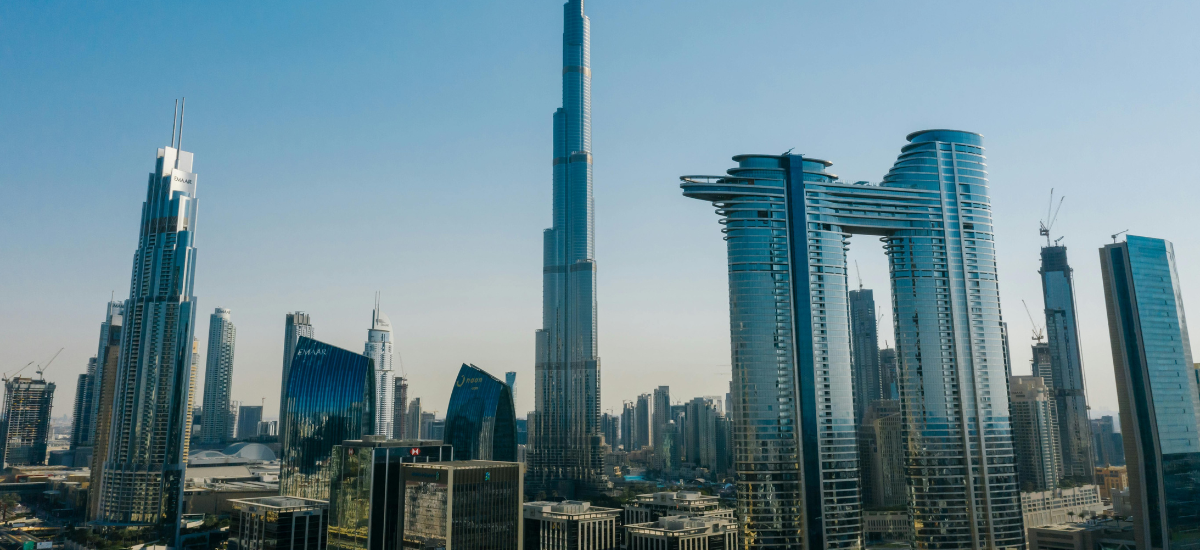
You come up out of the Dubai Mall metro station, still adjusting to the heat, and for a second you can’t find it. Then you look up — actually up, past the point where your neck stops cooperating — and there it is, disappearing into a haze that might be clouds or might just be Dubai’s usual afternoon shimmer. Somewhere up there, past 160 floors of glass and steel, is a platform where you’ll be standing in a couple of hours, looking back down at exactly the spot where you’re standing now.
That’s the moment most first-time visitors describe when they talk about Burj Khalifa. Not the elevator ride, not the view itself — that first look from the ground, trying and failing to see the top of the building you’re about to go up.
If you’re planning a Dubai trip and Burj Khalifa is on your list (it’s on almost everyone’s list), you probably have a handful of practical questions rattling around: which ticket do you actually need, when should you go, how far in advance do you need to book, and what’s the whole thing actually like once you’re inside. That’s what this guide is for. No fluff, no recycled brochure copy — just what you need to know before visiting Burj Khalifa so you can plan the visit properly instead of guessing.
What Is Burj Khalifa and Why Is It Worth Visiting?
Burj Khalifa is the centerpiece of Downtown Dubai — a needle-like tower that anchors the skyline the way the Eiffel Tower anchors Paris or the Empire State Building anchors Midtown Manhattan. It houses apartments, offices, and a hotel, but the part that matters to travelers is the public observation experience near the top, where you step out onto an open-air deck and look out over the city, the desert, and on a clear day, the Gulf.
Here’s the thing worth understanding before you book anything: seeing Burj Khalifa from outside and visiting it are two completely different experiences. You can absolutely admire the building from the Dubai Fountain plaza, from a rooftop bar across the way, or from your hotel window, and that’s a perfectly good way to appreciate it. But going up changes your relationship with the whole city. Downtown Dubai, the Palm, the coastline, the desert creeping in at the edges of the development — it all resolves into something you can actually read, like a map come to life. You start to understand how Dubai is laid out, which is honestly useful context for the rest of your trip.
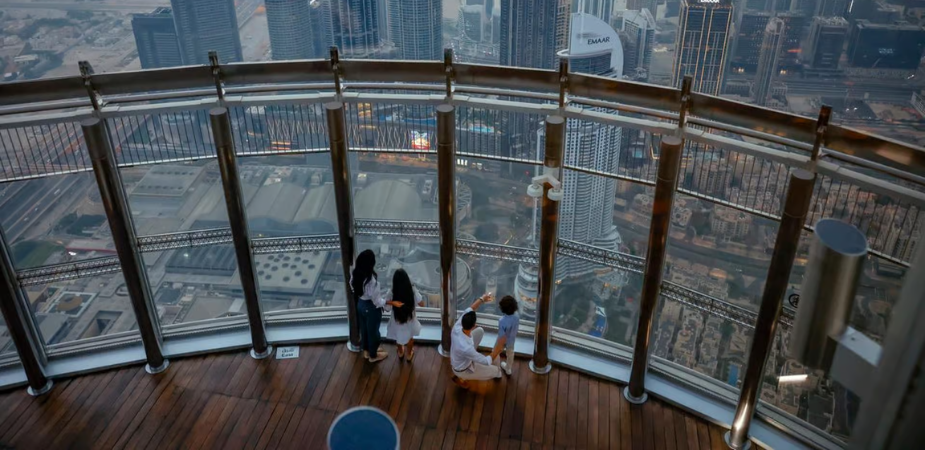
The observation experience itself is straightforward but well done. You’re not climbing stairs or squeezing onto a crowded platform — you’re riding a genuinely fast, smooth elevator up through the core of the building, then stepping out onto a deck with floor-to-ceiling glass, some open-air sections depending on the level, and enough space that it doesn’t feel like a subway platform at rush hour, even when it’s busy.
Who tends to enjoy this most? Pretty much anyone visiting Dubai for the first time, honestly. Photographers get an obvious payoff. Couples get a genuinely romantic hour, especially near sunset. Families with kids old enough to appreciate heights get a “wow” moment that sticks with them longer than most museum visits do. Even travelers who aren’t usually drawn to observation decks tend to come away saying it was better than they expected — the scale of the thing does a lot of the work for you.
Is it worth adding to a first Dubai itinerary? Yes, and not as an afterthought. Because Burj Khalifa sits right in Dubai Mall, you can reasonably pair it with shopping, the Dubai Fountain shows outside, and dinner, all in one outing. It’s one of the few Dubai attractions that works equally well for a two-day layover or a two-week trip.
Choosing Your Burj Khalifa Experience
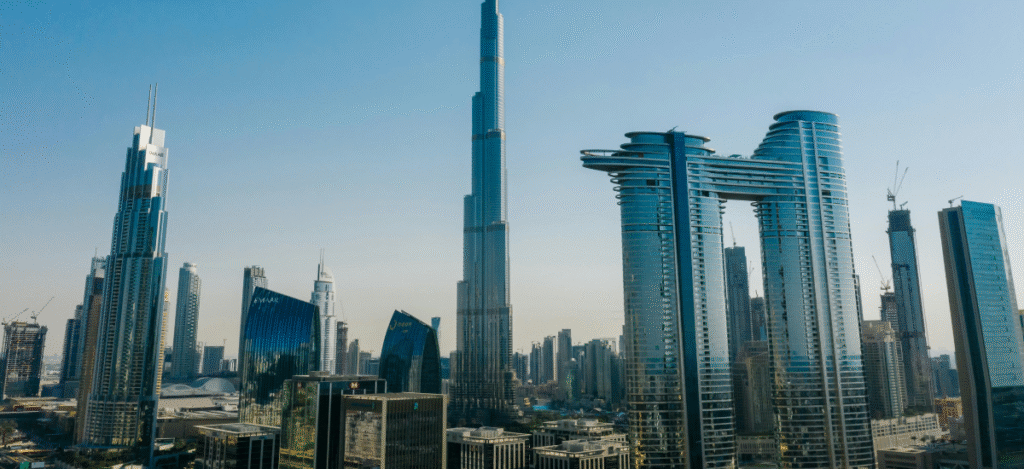
This is where most first-time visitors get stuck, and it’s worth slowing down on, because the ticket you pick shapes the whole visit.
There are three main tiers, and they’re generally sold under names like At the Top (sometimes labeled Silver), At the Top SKY (Gold), and a premium VIP Lounge experience (Platinum). Here’s how they actually differ.
At the Top (Levels 124 and 125) is the standard, most-booked experience. You ride up to the 124th floor, step out onto an indoor-outdoor deck about 456 meters above the ground, and take in 360-degree views of the city. Level 125 adds a bit more space and a slightly different vantage point. This is the ticket most first-time visitors should default to. It’s the classic Burj Khalifa experience — genuinely high up, genuinely impressive, without paying for extras you may not need on a first visit.
At the Top SKY (Level 148) pushes you considerably higher, to one of the highest observation decks in the world, and typically bundles in access to the lower levels (124/125) as well. This tier usually comes with a smaller crowd cap on the deck, a guided introduction from a host, and a lounge area with light refreshments — often Arabic coffee and sweets. If you’re someone who wants the fullest version of the experience, values a bit less crowding, or is celebrating something on this trip, SKY is the upgrade that actually feels different rather than just more expensive for the sake of it.
The VIP Lounge experience (Platinum) goes even further, up toward the 152nd–154th floors, with priority access, a private outdoor terrace, and a more curated, hosted feel — closer to a private club than a public attraction. This is for travelers who want the whole visit to feel exclusive, not just tall.
So which one should you choose? If you’re budget-conscious or this is just one stop among many on your Dubai itinerary, At the Top covers the experience well. If you want the “top of the world” version — higher altitude, fewer people around you, a bit of ceremony to it — SKY is worth the extra cost. The VIP Lounge makes sense mainly for special occasions or travelers who generally prefer premium experiences wherever they go; it’s a lovely add, but it’s not necessary to “properly” see Burj Khalifa.
One planning note: exact inclusions and level access for each tier can be adjusted by the operator over time, so before you book, it’s worth confirming what each tier currently includes. Burj Khalifa Ticket Guide] breaks this down in more detail, or you can go ahead and compare Burj Khalifa ticket options to see what’s currently available for your travel dates. If you want a deeper breakdown of how At the Top compares to At the Top SKY, that’s covered in more detail in At the Top vs At the Top SKY.
When Is the Best Time to Visit Burj Khalifa?
This matters more than most first-timers expect, because the same building can feel like a completely different attraction depending on when you go up.
Morning visits tend to be the calmest. The light is clean and clear, especially outside of the hazier summer months, and you’ll generally share the deck with fewer people. If you want unobstructed photos and a relaxed pace without feeling rushed past the glass, morning is a smart, underrated choice.
Afternoon is when Dubai’s heat and haze are typically at their most noticeable, which can soften long-distance visibility. It’s also often a quieter, less-booked window, so if crowds bother you more than a slightly hazier horizon, midday can work in your favor.
Sunset is the one everyone wants, for good reason. Watching the sun drop behind the city while the skyline starts lighting up below you is a genuinely different experience than a plain daytime view — it’s the version people describe when they talk about their trip afterward. The catch is that everyone else wants it too. Sunset slots are the most popular, tend to sell out first, and are frequently priced as a premium time slot. If sunset matters to you, book earlier rather than later, and expect a fuller deck.
Evening and night visits trade the sunset drama for the skyline lit up in full, plus a good vantage point over the Dubai Fountain shows below (timing your visit around a fountain show is worth a quick check before you go). Nighttime crowds tend to ease off a bit compared to sunset, while still delivering a genuinely striking view.
Pricing and time-slot categories can shift, so rather than quoting specific numbers here that might be out of date by the time you read this, check the current ticket listing for exact pricing by time slot before you book. If you want a fuller walkthrough of how to time your visit around crowds, light, and cost, we’ve covered that in more depth in Best Time to Visit Burj Khalifa
How to Get to Burj Khalifa
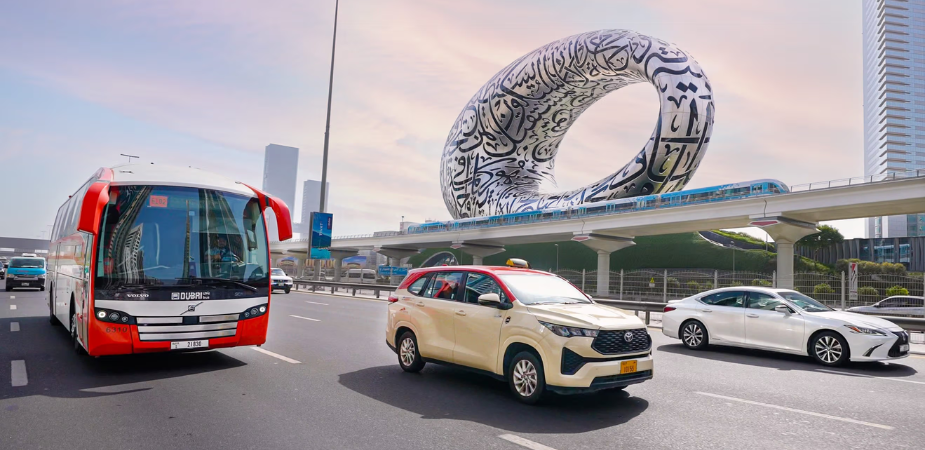
Getting there is easier than most first-time visitors expect, mainly because Burj Khalifa sits directly inside the Dubai Mall complex rather than off on its own somewhere.
Dubai Metro is the most reliable option and the one most US travelers end up preferring once they try it. Take the Red Line to the Burj Khalifa/Dubai Mall station. From there, an air-conditioned walkway with moving walkways connects you straight into Dubai Mall — you won’t step outside into the heat at all. Once inside the mall, follow the signage toward the At the Top entrance, typically on the lower ground level.
Taxi and ride-hailing (Careem is the regional equivalent of Uber, and Uber operates in Dubai too) are easy and reasonably priced by US standards. When you book, specify the Dubai Mall “At the Top” entrance rather than just “Dubai Mall” — the mall is enormous, and a generic drop-off can add a long walk to your day.
Driving yourself is doable if you’re comfortable with it, but honestly not necessary for most travelers, especially first-timers still getting their bearings. If you do drive, Sheikh Zayed Road is the main route into Downtown Dubai, and parking directly connected to the mall near the Burj Khalifa entrance will save you the most walking.
One tip that saves people real frustration: don’t underestimate how large Dubai Mall is. Whichever way you arrive, budget extra time to walk from the entrance you come in through to the actual Burj Khalifa/At the Top entrance — it can genuinely take ten to fifteen minutes if you come in from the wrong side of the mall.
What to Expect When You Arrive
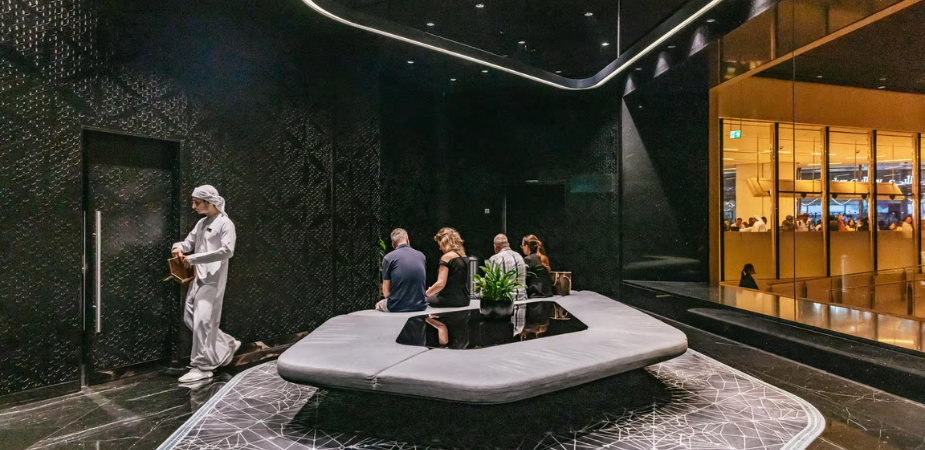
Here’s roughly how the visit unfolds, so nothing catches you off guard.
You’ll arrive at Dubai Mall through whichever entrance matches your transportation, then start following signs toward the Burj Khalifa or “At the Top” entrance — these are well marked, but the mall is big enough that it’s easy to drift off course if you’re not paying attention.
At the entrance, you’ll go through a check-in process where your ticket is scanned, generally alongside a security screening similar to what you’d expect at an airport checkpoint — bags through a scanner, a walk-through metal detector. It’s quick, but it’s a real step, so keep IDs and printed or digital tickets accessible.
From there, you’re guided toward the elevators, which turn out to be a highlight in their own right — engineered to be extremely fast and smooth, with ambient lighting that shifts as you ascend, covering dozens of floors in well under a minute. It’s a small, well-designed moment that sets the tone for what’s coming.
When the doors open, you’re on the observation level. Depending on your ticket tier, you’ll find a mix of floor-to-ceiling indoor glass viewing areas and open-air outdoor sections where you can feel the wind and get an unobstructed photo without glass reflections in the way. The layout is designed for flow — you can walk the perimeter, pause where the view catches you, and circle back without feeling herded through on a set path.
This is where you’ll want to budget real time for photos. The light and angle change as you move around the deck, and if you’re visiting near sunset, the view shifts noticeably even over twenty or thirty minutes, so it’s worth not rushing this part.
When you’re ready, signage guides you back to the elevators for the descent, which typically routes you through a small exhibit or gift shop area before releasing you back into Dubai Mall — a fairly gentle way to transition back into regular mall foot traffic rather than dumping you straight outside.
How Long Does a Burj Khalifa Visit Take?
Plan for somewhere between 60 and 90 minutes for the visit itself, and a bit more if you’re going during a busy window like sunset.
Here’s roughly how that time breaks down: allow 10–15 minutes to walk from wherever you enter Dubai Mall to the Burj Khalifa entrance, especially if you’re unfamiliar with the layout. Check-in and security typically take another 10–15 minutes, longer during peak periods, and the elevator ride itself is fast — under a minute each way — though there’s often a short wait for your group’s turn.
The bulk of your time, and the part you don’t want to rush, is on the observation deck itself. Most visitors spend 30–45 minutes up there, longer if you’re taking your time with photos. Add another 10 minutes for the walk back down through the exhibit area, and a relaxed, unhurried visit runs close to two hours door to door. If you’re stacking this alongside Dubai Mall shopping or the fountain show, it’s easy to build a half-day around it without feeling rushed.
Burj Khalifa Tickets & Pricing Overview
Ticket prices for Burj Khalifa aren’t fixed — they shift based on which experience tier you choose (At the Top, At the Top SKY, or the VIP Lounge) and which time slot you book, with sunset and other high-demand windows typically priced higher than early morning or midday slots.
Broadly, the pricing structure works like this: the standard At the Top experience is the most affordable entry point and the one most first-time visitors book. At the Top SKY costs more, reflecting the extra height, smaller crowd caps, and the lounge and refreshments included. The VIP Lounge experience sits at the top of the pricing range, and it’s priced accordingly as a premium, more exclusive visit.
Because pricing and available time slots genuinely do change — and because prime-time slots like sunset can sell out days or even weeks ahead during busy travel seasons — it’s worth comparing current options rather than relying on a number you saw somewhere months ago. Burj Khalifa Ticket Guide breaks down current ticket categories in more detail if you want to compare tiers side by side before deciding.
Booking ahead is genuinely useful here, not just a suggestion travel sites make out of habit. Because time slots are limited and popular ones (especially sunset) fill up, locking in your preferred date and time before you land in Dubai means you’re not stuck taking whatever’s left, or worse, showing up and finding same-day tickets sold out entirely.
If you’d rather compare your options in one place with current availability, you can see available Burj Khalifa experiences, including the fuller At the Top SKY experience covering Levels 124, 125, and 148. (Quick disclosure: that’s an affiliate link, meaning we may earn a small commission if you book through it, at no extra cost to you — we only link to experiences we’d actually recommend.)
First-Time Visitor Tips and Common Mistakes to Avoid
A few things that make a real difference, learned from what trips people up most often.
Book your time slot before you arrive in Dubai, not after. Sunset and evening slots move fast, and travelers who wait until they’ve landed often find their preferred window sold out, or end up paying a premium for whatever’s left. Booking ahead also lets you build the rest of your day around a fixed time instead of leaving it open-ended.
Give yourself more time than you think you need, especially getting from your Dubai Mall entrance to the actual Burj Khalifa entrance. The mall is enormous, and underestimating that walk is the single most common reason people arrive stressed or too close to their slot — security and check-in take real time, and a tight window leaves no room for error.
Choose your time slot based on what you actually want from the view, not just what sounds most exciting. If photography matters more to you than atmosphere, morning light might serve you better than a crowded sunset slot.
Don’t assume every ticket tier is interchangeable. Double-check what your specific ticket includes — which levels, whether refreshments or a guide are part of it — before you go, so there’s no confusion at check-in. The standard At the Top deck and the SKY experience genuinely feel different in height, crowd level, and atmosphere, so it’s worth choosing intentionally.
Know where you’re entering from. If you’re coming by metro, the walkway from the station is the smoothest path; if you’re driving or taking a taxi, specify the At the Top entrance directly.
Think about what you’ll do right before or after. Pairing your visit with the Dubai Fountain show outside, or a coffee break in the mall beforehand, turns a single attraction into a full, well-paced outing rather than a rushed stop.
And check current attraction rules before you travel — security policies and bag restrictions can be adjusted, and it’s easy to confirm details on the official ticket listing shortly before your trip. A little research ahead of time, like checking Best Time to Visit Burj Khalifa, goes a long way toward avoiding an unintentional premium or a missed golden-hour view.
Families, Couples & Different Travelers

Families generally do best with the standard At the Top experience, timed for morning or a non-peak afternoon slot when kids are less likely to be tired or restless from a long day. It’s worth checking current age and height guidance for young children before booking.
Couples tend to get the most out of a sunset or evening slot, ideally on the SKY tier if the budget allows — the combination of altitude, lighting, and a slightly smaller crowd cap makes for a genuinely memorable shared moment rather than just another photo stop.
First-time visitors in general should prioritize getting the fundamentals right over chasing the fanciest ticket: book ahead, choose a time that matches what you want from the view, and give yourself enough buffer time getting there. The visit itself is forgiving; the planning around it is where people trip up.
Budget-conscious travelers should focus comparison time on the standard At the Top tier and non-peak time slots, where the price difference versus prime sunset hours can be substantial for essentially the same core experience — the view from Level 124/125 is still genuinely impressive.
Luxury travelers, or anyone celebrating a specific occasion, are the ones who get the clearest value from the VIP Lounge tier. The added altitude and hosted, unhurried atmosphere are worth the premium if a standard observation deck experience isn’t quite what you’re after.
How Do I Visit Burj Khalifa?
If you just want the short version, here’s the process from start to finish:
- Choose your experience — At the Top, At the Top SKY, or the VIP Lounge, based on budget and what you want from the visit.
- Check available time slots for your travel dates, especially if you want a sunset or evening booking.
- Book your ticket in advance rather than waiting until you’re in Dubai.
- Arrive at Dubai Mall with extra time built into your schedule.
- Follow signage to the Burj Khalifa or “At the Top” entrance.
- Complete ticket check-in and the security screening.
- Take the elevator up to your observation level.
- Enjoy the views, take your time with photos, and head back down when you’re ready.
Is Burj Khalifa Worth Visiting?
Short answer: yes, for nearly every kind of traveler. It’s not just a photo-op building — it’s a genuinely well-executed visitor experience, with a fast, smooth elevator ride and observation decks that give you a real sense of scale you can’t get from ground level. Do you need to book in advance? You don’t strictly have to, but you should — popular time slots, especially sunset, sell out, and booking ahead protects both your schedule and your budget.
Final Thoughts
Burj Khalifa earns its spot on nearly every Dubai itinerary, but the visitors who enjoy it most aren’t the ones who show up and figure it out on the fly — they’re the ones who picked their experience tier deliberately, booked a time slot that matched what they actually wanted from the view, and gave themselves enough time to get there without rushing.
Once you’ve got a sense of which tier fits your trip and budget, it’s worth checking current time slots and availability before you finalize your Dubai plans. You can check current ticket availability to see what’s open for your travel dates. From there, the hardest part of the whole visit is just deciding what to do with the rest of your day in Downtown Dubai.