
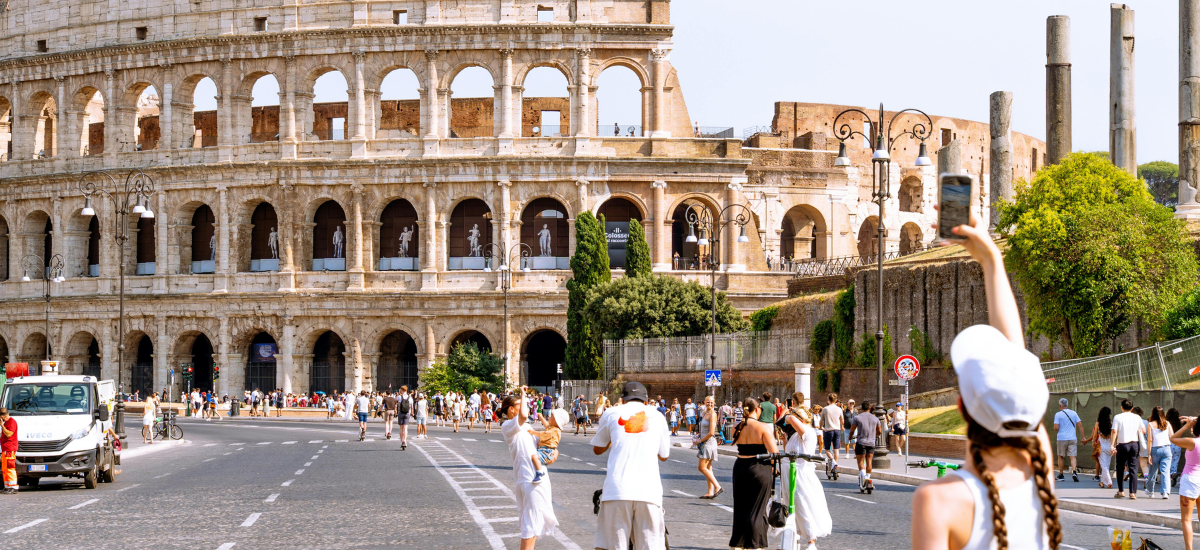
There is an undeniable energy that reverberates through the ancient soil of Rome. It’s a city where modern life flows seamlessly around monuments that have stood for millennia, but nothing quite prepares your senses for the moment you first lay eyes on the Colosseum (Colosseum Rome). Rising majestically above the urban streets, this colossal stone amphitheater stands as the ultimate, eternal symbol of imperial power, architectural genius, and human drama.
As a traveler, walking through the very archways where ancient crowds once roared is a profound, bucket-list milestone. However, because it is one of the most visited landmarks on the planet, a lack of preparation can easily lead to spending your precious vacation hours trapped in a grueling ticket line under the intense Italian sun.
Let me share the story of the morning I stepped onto the ancient stones of the Flavian Amphitheater, how I stood where history was made, and how you can seamlessly plan your entry to bypass the crowds completely.
Dawn at the Amphitheater: Bypassing the Epic Queues
The air was pleasantly cool when I arrived at the Piazza del Colosseo just as the morning light was beginning to hit the outer ring of the stadium. Even at this early hour, the general admission area was a sea of movement. Thousands of tourists were already gathering, forming a massive queue that could easily cost someone 2 hours of their morning just to purchase standard entry at the venue.
Fortunately, I had avoided this common pitfall. Knowing that daily entry is heavily restricted to controlled, timed intervals, I made sure to book Colosseum tickets online weeks before leaving for Italy.
With my smartphone open and my digital Colosseum skip-the-line tickets ready for scanning, I bypassed the long, static ticket line entirely. I moved straight through the dedicated security checkpoint for pre-booked holders and stepped inside the grand monument within fifteen minutes.
To secure your preferred morning time slot and keep your Roman holiday smooth and stress-free, always secure your priority entry before you arrive: Secure Your Colosseum Skip-the-Line Tickets Here
Stepping Into the Arena: Standing in the Gladiator’s Footsteps

The moment you climb the internal stone stairs and look out into the center of the amphitheater, the true scale of the structure hits you. To navigate the immense space and absorb the history, using a multimedia guide app or an audio headset is incredibly helpful. It adds a deep layer of context to the ruins and naturally answers the common question: “How long does a Colosseum visit take?” While a quick walk covers the basic tiers in an hour, a complete visit to the full archaeological park requires at least 3 hours to comfortably explore without rushing.
Standard entry gives you access to the first and second seating tiers, offering spectacular panoramic views of the entire interior. But for an truly unforgettable experience, upgrading your pass to include a Colosseum Arena Floor ticket is worth every single penny.
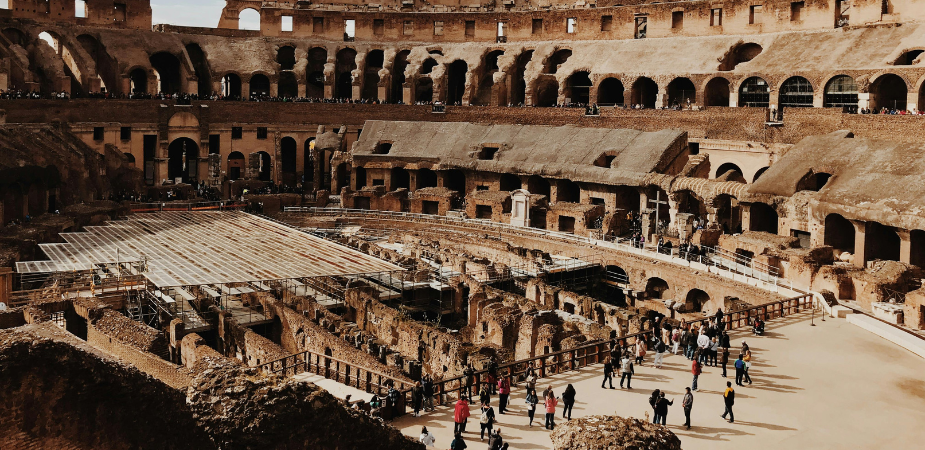
Walking through the specialized Gladiator’s Gate and stepping directly onto the wooden, reconstructed arena platform is an electrifying feeling. Standing right at the center stage of the stadium, looking up at the towering, multi-tiered walls where 50,000 spectators once sat, you can almost hear the echoes of ancient cheers.
Looking directly down from the arena floor, you can peer straight into the exposed maze of the Hypogeum below—the intricate, multi-level Colosseum Underground tour network of tunnels, cages, and mechanical lifts where wild animals and gladiators waited in total darkness before being thrust into the sunlight.
Walking Through the Beating Heart of Ancient Rome
One of the best features of a standard Colosseum admission pass is that it isn’t just for the stadium; it functions as an all-inclusive passport to the entire surrounding archaeological park. Right outside the exit stands the magnificent Arch of Constantine, a monumental triumphal arch celebrating imperial victory.
Just a short walk past the arch brings you into the sprawling ruins of the Roman Forum and Palatine Hill. Walking through the Forum feels like wandering through an open-air time capsule. This valley was once the absolute beating heart of the Roman Empire—the bustling center of politics, temples, commerce, and grand triumphal processions.
Following the ancient paths up to the shaded pine trees of Palatine Hill, you reach the legendary birthplace of the city. Here, among the ruins of massive imperial palaces, you are treated to the single most beautiful, sweeping panoramic view of the entire Roman Forum and the Colosseum stretching out below you.
Choosing the Perfect Experience: Guided Tours vs Night Access
As the afternoon sun began to dip, painting the ancient travertine stone in shades of deep gold, I watched a small, organized group exploring the ruins with a local archaeologist. Listening to them share tales of architectural engineering and imperial intrigue made it clear that a Colosseum guided tour elevates the entire journey. Having an expert guide ensures you navigate the vast historical grounds smoothly, unlocking the hidden stories buried in the stone.
For travelers looking for an ultra-exclusive, romantic twist, checking out a seasonal Colosseum night tour is a spectacular option. Exploring the illuminated stadium floors under the moonlight, free from the daytime heat and crowds, feels deeply cinematic and intimate.
Want to dive deep into the thrilling history of ancient warriors and emperors with a passionate local storyteller? Explore the highest-rated experiences here: Browse Colosseum Guided Tours & Arena Access Passes
Final Thoughts: An Unforgettable Legacy
Walking away from the monument as the evening street musicians began to play, I looked back at the iconic broken silhouette of the amphitheater. The Colosseum is not simply a stone ruin; it is a profound monument to human capability, ambition, and the timeless narrative of history.
Because it remains Rome’s most iconic bucket-list landmark, verifying the latest Colosseum ticket prices and securing your specific entry slot online is the most vital step you can take for a flawless Italian holiday. Secure your timed entry, pack a bottle of water, and get ready to step directly into the grand theater of history.